Interception and rescue speak to remarkable journeys of resilience, healing, and redemption – these are the stories of survivors of human trafficking in Nepal. While it’s not always an easy conversation to have, it’s essential to shed light on the hope and support that exist for those who have walked this path.
Tara’s world was defined by fear, exploitation, and suffering. Losing her mother and being abandoned by her father when she was very small, meant that she and her sister had to work for themselves. Their financial situation meant they were not able to go to school.
Tara and her sister took up labour work to survive. When her sister got married, circumstances forced Tara to live with her uncle and aunt who abused her. Unable to stay living there, Tara ran away and returned to her home to live alone.
With no one to turn to, Tara sought refuge with her sister’s family. Though she found a place to stay, her brother-in-law and his father began behaving inappropriately towards her, making her feel unsafe and vulnerable. When she confided in her sister, she was urged to keep silent to avoid tarnishing the family’s reputation, leaving Tara feeling helpless and unprotected.
Feeling unsafe, Tara left her sister’s home and found work as a hospital cleaner, surviving on the premises. However, in her search for a better-paying job she began to consider migrating to India, where she was promised more opportunities. Tara was introduced to a girl from India by a friend and co-worker. With no reason to question the woman’s motives and desperate to find stability, Tara agreed to travel to India.
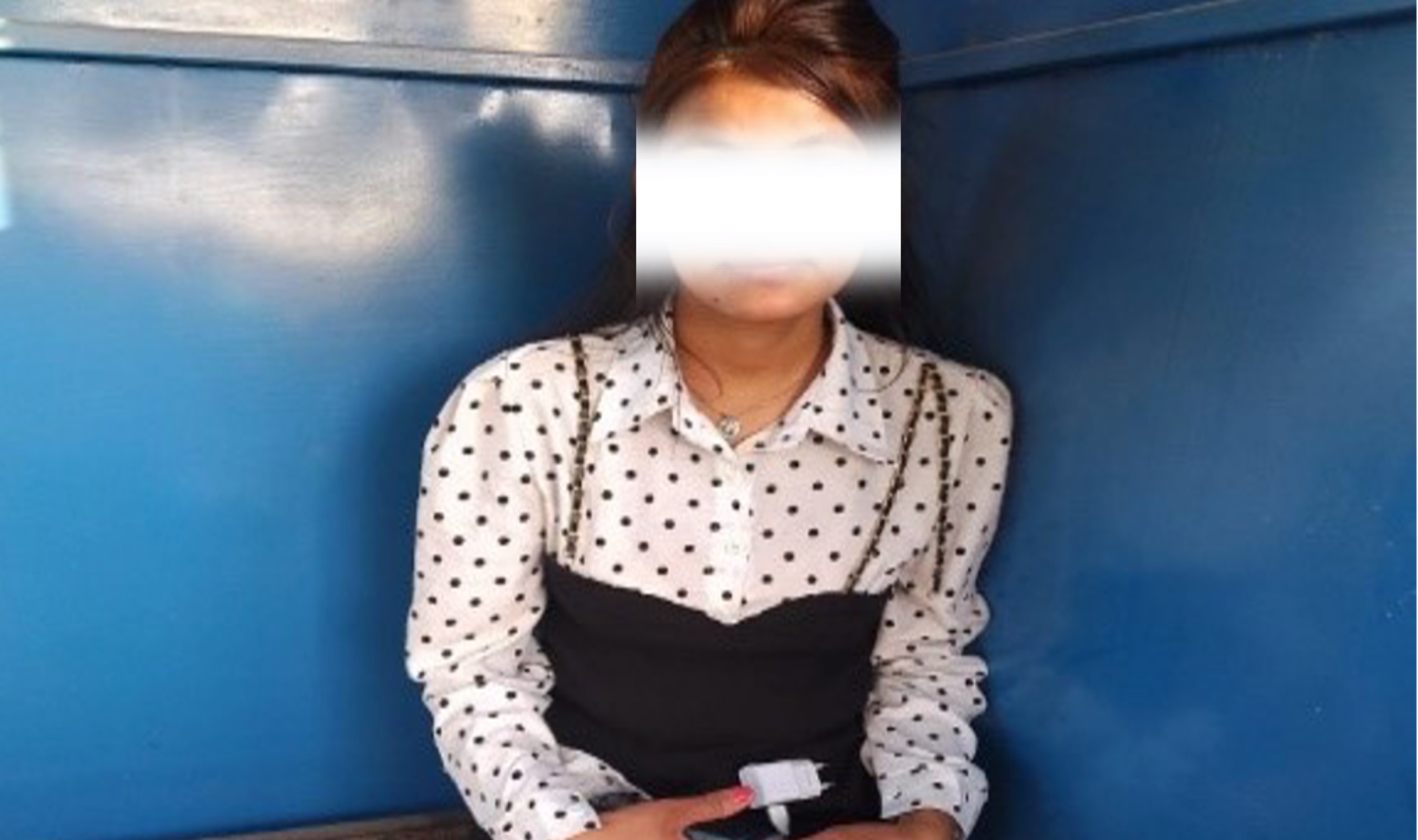
At the border, Tara was intercepted by one of our counsellors. Hearing the desperation of Tara’s situation, our team offered her a safe space at one of our Safe Homes where she would receive training and support as well as counselling and accommodation. Often interception is the last hope of many of the girls we encounter. It’s also only the very beginning of their journey to freedom.
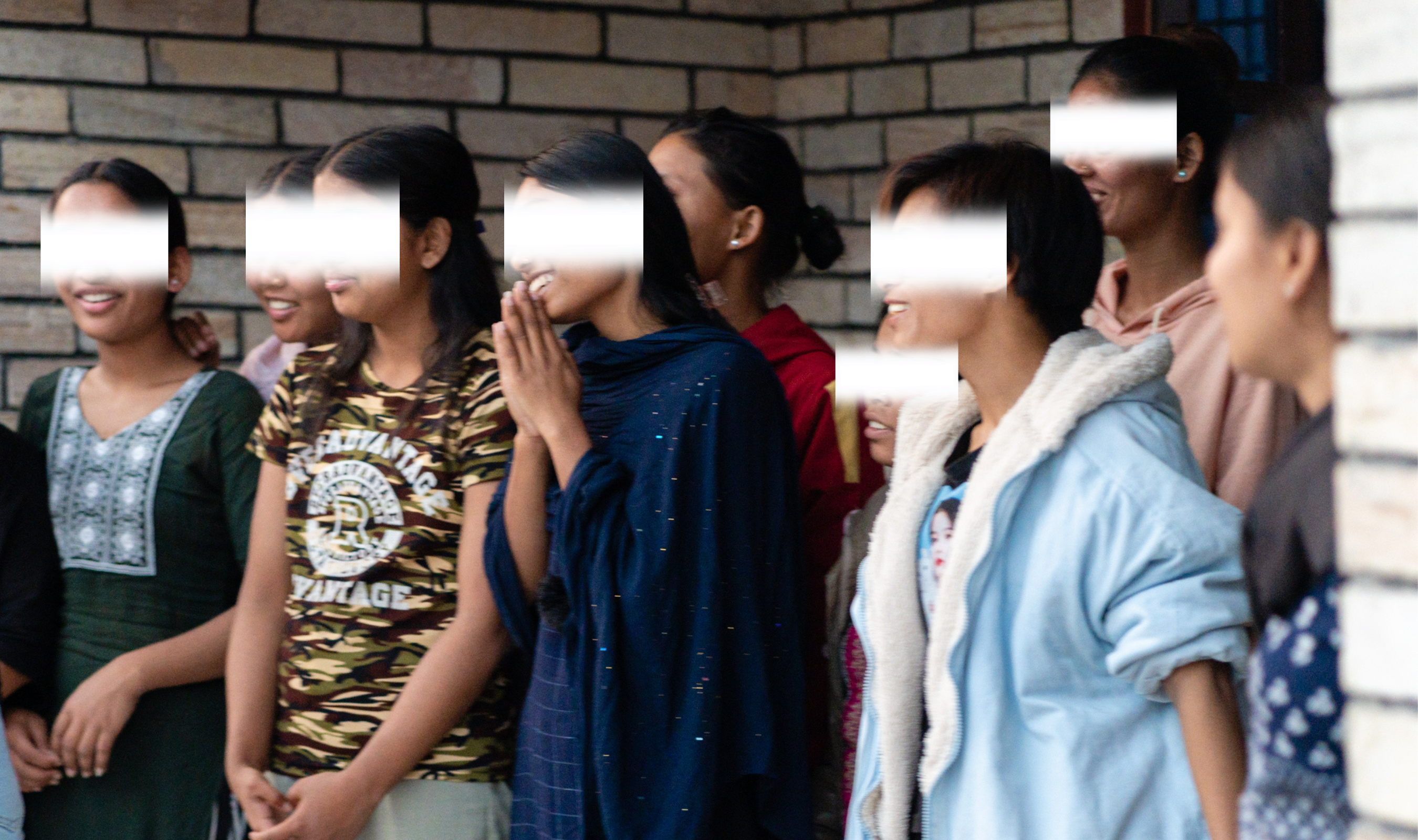
Picture this: girls like Tara*weary and confused arrive at a Safe House. At this moment, they are not just met with open arms but also with a team of compassionate individuals who understand their pain. The Safe House becomes a sanctuary – a place where safety and protection are paramount. It’s here that survivors take their first steps on the path to healing. So begins the walk to restoration.
One of the most beautiful aspects of this journey is the healing of the mind and spirit. Survivors often carry deep emotional wounds from their experiences, and addressing these is a vital part of their rehabilitation. Staff provide a safe space for survivors to express their feelings, confront their trauma, and embark on a journey towards emotional recovery.
Empowerment is a crucial component of a survivor’s journey during their stay in our Safe Houses. Our primary focus revolves around equipping survivors with essential life skills and industry-specific skills to pave their way towards freedom.
From classes on human rights to vocational training, survivors acquire the necessary tools to independently navigate life, bolstered by newfound knowledge and a surge in confidence, equipped with the tools they need to break the cycles of poverty and dependence that saw them become a potential human trafficking victim.
Justice is a powerful force in this narrative. Survivors who have been rescued from the grip of traffickers and whose assailants are known often require legal assistance to hold their traffickers accountable and reclaim their rights. We are able to support them through this process and assist the authorities through the investigation process. We advocate on behalf of the survivors and seek to see justice enacted on their behalf.
As survivors progress through their stay at our Safe Houses, a personalised reintegration plan takes shape. Reuniting survivors with their families (if it’s safe and desired) and supporting them in their transition back into society becomes the goal. It’s about not just surviving but thriving in their newfound freedom.
In Nepal, EDM and our partner organisation, ASSN, provides not just shelter but love, not just aid but empowerment, and not just counselling but healing. Our team helps survivors transform their stories from ones of suffering into narratives of strength and resilience.
Right now, at one of our Safe Homes, Tara is on a transformative journey of empowerment. She is learning valuable skills that will foster her independence and self-reliance. Through the programs and skills training offered Tara, is able to rewrite her story to become a healthy, healed, skilled independent young woman and we will walk beside her all the way.
The stories of these survivors are not just about tragedy; they’re about triumph. They teach us that even in the darkest of times, the human spirit has an incredible capacity for healing and redemption. You can join us as we stand by them, ensuring that their journeys lead to lives filled with hope and promise.